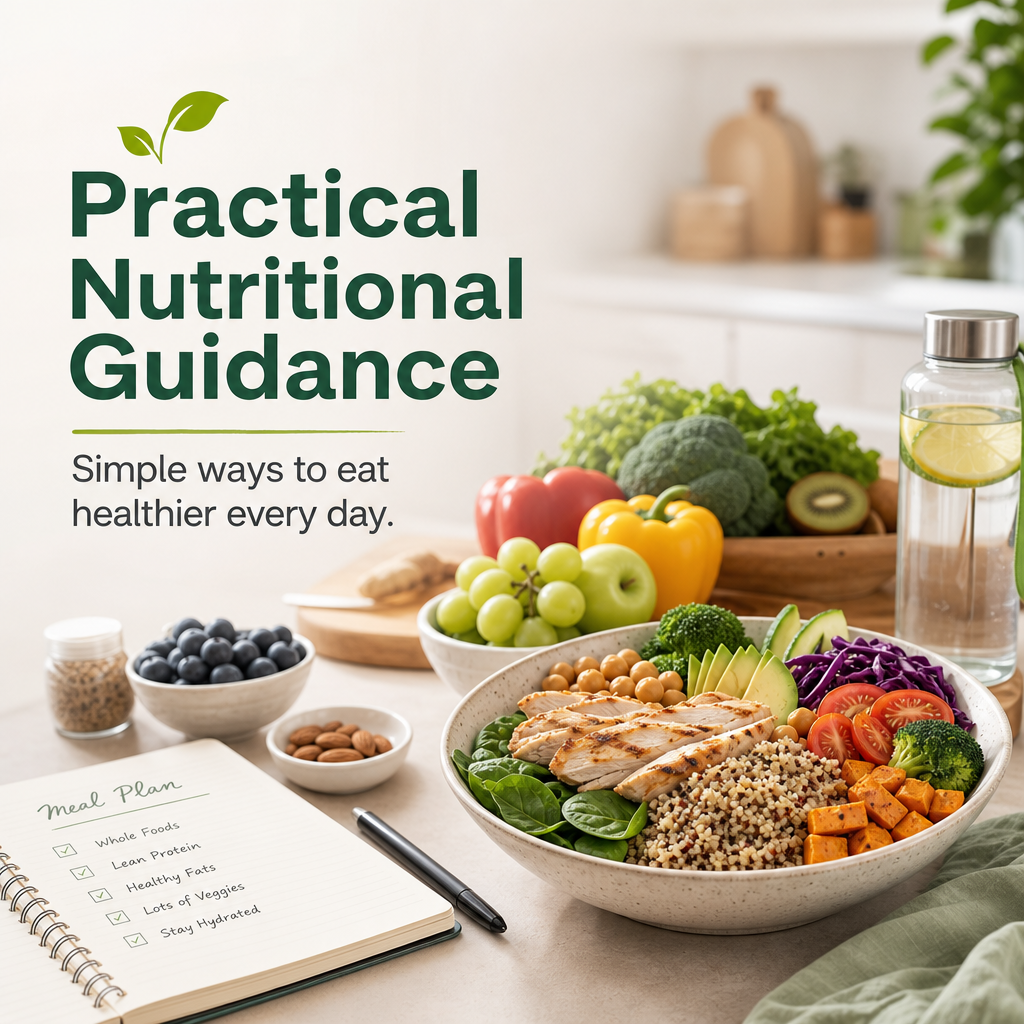
Practical Nutritional Guidance for Weight Management: A Sustainable Blueprint
Navigating the world of nutrition for weight management can feel overwhelming. I have found that the most effective approach is not about radical restriction or complex rules. It is about simple, practical nutritional guidance for weight management that you can integrate into your daily life. This article provides a sustainable blueprint, focusing on science-backed strategies that prioritize satiety, energy, and long-term adherence. We will explore how to create a calorie deficit without hunger, the power of high-protein meal prep, and mindful eating techniques. My goal is to equip you with actionable knowledge to build a healthier relationship with food. You will learn to balance macronutrients, choose nutrient-dense foods, and structure your day to support your goals. Let us move beyond fads and discover a sustainable path forward.
The Foundation of Practical Nutritional Guidance for Weight Management
At its core, practical nutritional guidance for weight management is rooted in energy balance. You must consume fewer calories than you expend to lose weight. However, the practical application of this principle is where many plans fail. The foundation is not just about the math. It is about constructing a dietary pattern that makes achieving that deficit manageable and sustainable. This means shifting focus from sheer calorie counting to food quality, satiety, and behavioral habits. A sustainable diet is one you can maintain for years, not weeks. It accommodates your lifestyle, preferences, and social life while consistently guiding you toward your objectives.
I emphasize building a positive framework, not a punitive one. For instance, instead of labeling foods as “good” or “bad,” consider their nutritional density and role in your satiety. This mindset reduces guilt and fosters a healthier relationship with eating. The strategies we discuss, from food swaps to meal structuring, all serve this foundational goal. They are designed to create a gentle, consistent calorie deficit that your body can adapt to without triggering intense hunger or metabolic slowdown. This approach aligns with research from institutions like the Harvard School of Public Health, which advocates for dietary patterns over isolated nutrients. By establishing this strong, flexible foundation, every subsequent strategy becomes more effective and easier to implement.
How to Create a Calorie Deficit Without Hunger: Smart Food Swaps
The challenge of a calorie deficit is the hunger that often accompanies it. The secret lies in strategic food choices that maximize volume and nutrients for minimal calories. This is the essence of learning how to create a calorie deficit without hunger. It is a game of substitution, not deprivation. By swapping high-calorie, low-satiety foods for lower-calorie, high-volume alternatives, you naturally reduce your energy intake while feeling fuller. This approach leverages the concept of “calorie density.” Foods with high water and fiber content have low calorie density, meaning you can eat a satisfying portion for fewer calories.
Implementing Effective Swaps in Your Daily Routine
Let us examine specific, actionable swaps. For breakfast, replace a sugary cereal with plain Greek yogurt topped with berries and a sprinkle of nuts. This swap increases protein and fiber while slashing added sugars. At lunch, choose a large salad with lean protein and a vinegar-based dressing over a creamy pasta salad. The sheer volume of vegetables will fill your plate and your stomach. For snacks, air-popped popcorn is a fantastic swap for chips, offering crunch and volume for a fraction of the calories. Even in cooking, small changes matter. Use Greek yogurt instead of sour cream, or blend cauliflower into mashed potatoes.
These swaps are not about perfection. They are about cumulative effect. Each one subtly reduces your daily calorie intake while boosting your intake of vitamins, minerals, and satiating fiber. Over a week, these small changes can create a significant deficit without a single moment of feeling deprived. This method is supported by satiety research, which shows that protein, fiber, and water content are key drivers of fullness. By making these swaps habitual, you reprogram your pantry and your palate to support your goals effortlessly.
High-Protein Meal Prep Ideas for Satiety and Success
Consistently eating enough protein is one of the most powerful tools for weight management. Protein increases satiety more than carbohydrates or fat, helps preserve lean muscle mass during weight loss, and has a higher thermic effect of food. However, relying on spontaneous decisions during a busy week often leads to poor protein choices. This is where high-protein meal prep ideas for satiety become non-negotiable. Preparing protein sources in advance ensures you always have a satisfying, goal-aligned option ready. It removes the mental fatigue of daily decision-making and prevents convenience-driven, less-nutritious choices.
Effective meal prep does not require cooking elaborate meals for seven days. I recommend a modular approach. Focus on batch-cooking versatile protein bases. Grill or bake several chicken breasts, season a pound of ground turkey, hard-boil a dozen eggs, and cook a large pot of lentils or black beans. Simultaneously, roast a variety of vegetables like broccoli, bell peppers, and sweet potatoes. With these components ready, assembly is quick. For lunch, combine chicken, roasted veggies, and quinoa. For dinner, use the ground turkey for tacos with lettuce wraps. Snack on hard-boiled eggs with avocado.
Sample High-Protein Prep Day
Consider this sample prep session. On a Sunday, marinate and bake two trays of salmon and chicken thighs. While they cook, instant pot a large batch of chickpeas and chop raw vegetables for snacks. Cook a big batch of brown rice or farro. Portion proteins into containers with different marinade or seasoning packs to avoid flavor fatigue. This two-hour investment yields the core components for dozens of meals. The Academy of Nutrition and Dietetics highlights the dual importance of protein and fiber for fullness. By mastering this practice, you build a nutritional safety net that makes adherence simple and hunger manageable.
Mastering Mindful Eating Techniques to Reduce Overeating
Modern eating is often rushed, distracted, and disconnected from our body’s signals. We eat while working, watching TV, or scrolling through our phones. This disconnection is a primary driver of overconsumption. Mindful eating techniques to reduce overeating bring intention and attention back to the act of nourishment. It is the practice of eating with full awareness: noticing the colors, smells, textures, and flavors of your food, and, most importantly, tuning into your body’s hunger and fullness cues. This is not a diet but a skill that transforms your relationship with food.
Begin with one meal a day. Eliminate all distractions. Sit at a table, plate your food, and simply eat. Chew slowly, placing your utensil down between bites. Pay attention to the sensation of hunger diminishing and the subtle signal of comfortable fullness. It takes about 20 minutes for your brain to register satiety signals from your gut. Eating quickly almost guarantees you will overshoot that signal. Another powerful technique is the “hunger scale.” Before eating, rate your hunger from 1 (ravenous) to 10 (stuffed). Aim to start eating at a 3 or 4 and stop at a 6 or 7, a point of satisfaction without discomfort.
Mindful eating also involves recognizing emotional triggers. Do you reach for food when stressed, bored, or tired? By pausing to identify the emotion, you create space to choose a different response. Perhaps a short walk or a glass of water is what you truly need. Research, including studies cited by the American Psychological Association, shows mindfulness can reduce binge eating and emotional eating. By practicing these techniques, you break the cycle of automatic overeating and regain control, making your calorie deficit feel natural and unforced.
The Science of Balancing Macronutrients for Steady Fat Loss
While calories dictate weight loss, the balance of macronutrients—protein, carbohydrates, and fats—profoundly influences the quality of that loss and your overall experience. Balancing macronutrients for steady fat loss is about optimizing your diet’s composition to support metabolism, preserve muscle, and manage hunger. A well-balanced plate promotes stable blood sugar levels, which minimizes energy crashes and cravings. This steady state is conducive to tapping into fat stores for energy, rather than breaking down precious muscle tissue.
Protein, as discussed, is paramount for satiety and muscle synthesis. I recommend aiming for a minimum of 0.7 to 1 gram per pound of goal body weight daily. Carbohydrates are not the enemy. They are your body’s primary fuel source, especially for brain function and physical activity. The key is choosing complex, fiber-rich sources like whole grains, legumes, and starchy vegetables. These provide sustained energy without sharp insulin spikes. Fats are essential for hormone production, nutrient absorption, and satiety. Prioritize unsaturated fats from sources like avocados, nuts, seeds, and olive oil.
Constructing a Balanced Plate
A practical template for balancing macronutrients is the “plate method.” Visualize your dinner plate. Fill half with non-starchy vegetables (spinach, broccoli, peppers). Allocate one-quarter to a lean protein source (chicken, fish, tofu). Fill the remaining quarter with a complex carbohydrate (quinoa, sweet potato, brown rice). Add a thumb-sized portion of healthy fat (avocado slice, drizzle of olive oil). This model automatically creates a macro balance that supports fat loss, provides steady energy, and keeps you full. Adjusting the ratios slightly—a few more carbs on heavy training days, a bit more fat on rest days—fine-tunes the approach for your individual needs and activity levels.
Prioritizing Nutrient-Dense Foods for Sustainable Energy Levels
Calories are a measure of energy, but not all calories are created equal when it comes to fueling your body. Nutrient-dense foods for sustainable energy levels are those packed with vitamins, minerals, antioxidants, and fiber relative to their calorie content. Think colorful vegetables, fruits, lean proteins, whole grains, and healthy fats. Conversely, calorie-dense, nutrient-poor foods (like sugary drinks, refined snacks, and fried foods) provide energy but lack the micronutrients your body needs to thrive. Relying on them often leads to fatigue, cravings, and poor health outcomes, even within a calorie deficit.
Focusing on nutrient density ensures your body gets the tools it needs for optimal function. B vitamins from whole grains and leafy greens are crucial for converting food into usable energy. Magnesium from nuts and seeds supports muscle and nerve function. Antioxidants from berries and dark leafy greens combat oxidative stress. When your body is well-nourished at the cellular level, your energy levels remain stable throughout the day. You avoid the mid-afternoon slump that drives you toward sugary pick-me-ups. This creates a positive feedback loop: better energy supports more physical activity, which further supports your weight management goals.
Make it a habit to “eat the rainbow.” The different colors in plant foods represent different phytonutrients. A day of eating might include red bell peppers, orange sweet potatoes, green spinach, blueberries, and purple cabbage. This simple guideline diversifies your micronutrient intake. Pair these plants with quality proteins and fats for complete nutrition. By making the majority of your plate from these nutrient powerhouses, you naturally crowd out less beneficial options. Your body responds with consistent vitality, making it easier to stay active and engaged in your healthy lifestyle.
Hydration: The Overlooked Element of Practical Nutritional Guidance
Water is fundamental to every metabolic process in your body, yet its role in weight management is frequently underestimated. Proper hydration is a critical piece of practical nutritional guidance for weight management. Often, sensations of thirst are misinterpreted as hunger, leading to unnecessary calorie consumption. Drinking a glass of water before a meal can promote a sense of fullness, helping you eat less. Furthermore, water is essential for lipolysis, the process of breaking down fat for energy. Even mild dehydration can slow metabolism and reduce physical performance, undermining your efforts.
I advise clients to establish a hydration habit separate from meals. Carry a reusable water bottle and sip consistently throughout the day. A good baseline is to aim for half your body weight in ounces, adjusting for activity level and climate. Do not rely solely on thirst, as it is a late-stage signal. Monitor the color of your urine; pale yellow indicates good hydration. Sparkling water, herbal teas, and water infused with citrus or cucumber are excellent alternatives to plain water. Be mindful of liquid calories from sugary drinks, juices, and excessive alcohol, as they can contribute significantly to your calorie intake without providing satiety.
Hydration also supports digestion and nutrient absorption. Water-soluble vitamins and fiber require adequate fluid to function properly. When increasing your fiber intake—a key strategy for satiety—concurrent increases in water are mandatory to prevent digestive discomfort. Think of water as the essential solvent that allows all the other nutritional strategies to work efficiently. It is the simplest, most cost-effective tool in your arsenal. Making it a consistent priority optimizes bodily functions, curbs false hunger, and supports the overall efficacy of your dietary plan.
Structuring Your Meals and Snacks to Maintain Fullness
When and how you eat can be as important as what you eat. An erratic eating pattern with long gaps can lead to extreme hunger, poor food choices, and overeating at the next meal. Structuring your meals and snacks strategically is a proactive way to maintain stable blood sugar and a comfortable level of fullness throughout the day. This prevents the energy dips and desperate cravings that derail progress. The goal is to eat at regular intervals that work for your schedule, typically every 3 to 5 hours