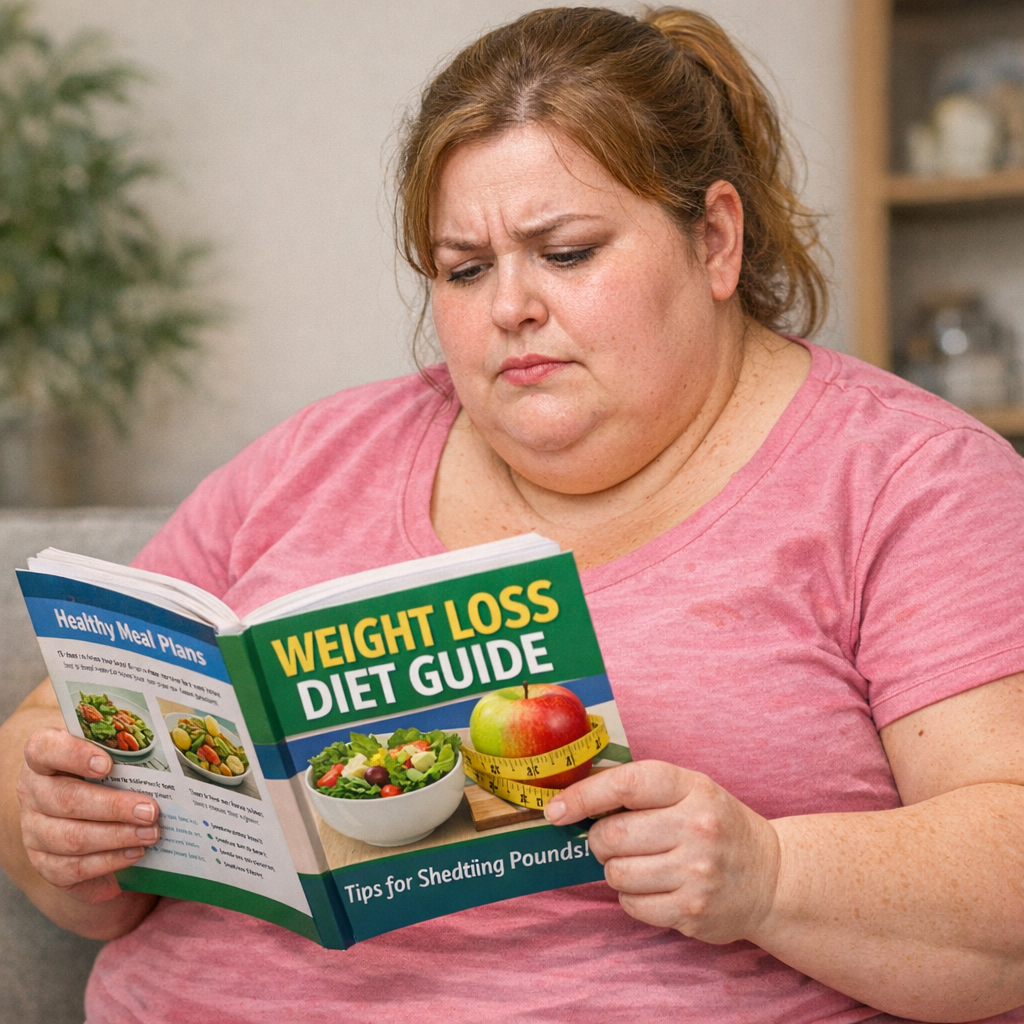

Your Path to Successful Weight Loss: A Comprehensive Guide to Weight Loss Diets
Embarking on a journey toward a healthier weight can feel overwhelming. With countless diet plans and conflicting advice, finding your path to successful weight loss requires a clear, evidence-based strategy. This detailed diet guide will help you navigate the complexities of weight loss diets, offering practical insights and actionable steps. I will explore the foundational principles of sustainable weight management, examine popular diet frameworks, and provide tools to create a plan that works for your unique lifestyle. My goal is to equip you with the knowledge needed to achieve lasting results, not just a temporary fix. By understanding the science behind nutrition and behavior, you can transform your approach to health and wellness.
Importance of Choosing the Right Diet Plan
Selecting the appropriate diet plan is a critical first step in your weight loss journey. A mismatched approach can lead to frustration, nutrient deficiencies, and eventual abandonment. The right plan aligns with your personal preferences, medical history, and daily schedule. It should feel sustainable, not punishing. I believe that a successful diet is one you can adhere to over the long term, not just for a few weeks.
Many people fail because they choose extreme diets that eliminate entire food groups. For example, a very low-calorie diet might produce rapid initial results, but it often triggers metabolic slowdown and muscle loss. Research from the National Institute of Diabetes and Digestive and Kidney Diseases shows that gradual weight loss of one to two pounds per week is more effective for long-term success. This approach preserves lean muscle mass and supports a healthier metabolism.
Another key factor is considering your lifestyle. A busy professional might struggle with a diet that requires hours of meal prep. A parent might need a plan that accommodates family meals. I recommend evaluating your typical week and identifying potential obstacles. This comprehensive guide will help you match your needs to a suitable diet framework. The goal is to create a plan that integrates seamlessly into your life, making it easier to stay consistent and achieve successful weight loss.
Assessing Your Personal Health Profile
Before starting any weight loss diet, you should consult with a healthcare provider. Conditions like diabetes, thyroid disorders, or high blood pressure require specialized dietary adjustments. A professional can help you determine safe calorie ranges and macronutrient ratios. I also suggest reviewing any medications you take, as some can affect appetite or metabolism. Understanding your baseline health is essential for choosing a diet that supports your well-being, not compromises it.
Key Factors for Successful Weight Loss
Successful weight loss hinges on several interconnected factors beyond simple calorie counting. Energy balance remains the fundamental principle, but the quality of those calories matters enormously. I emphasize that nutrient-dense foods provide satiety and support metabolic function. Processed foods, even within a calorie deficit, can leave you feeling hungry and deprived. This distinction is crucial for long-term adherence.
Behavioral psychology plays a significant role. Developing mindful eating habits can transform your relationship with food. For instance, eating without distractions, chewing slowly, and recognizing hunger cues can reduce overeating. Studies cited by the Harvard T.H. Chan School of Public Health indicate that people who practice mindful eating tend to maintain weight loss more effectively. I find that this approach helps individuals break free from emotional eating patterns.
Sleep and stress management are often overlooked pillars of weight management. Inadequate sleep disrupts hormones like ghrelin and leptin, which regulate appetite. Chronic stress elevates cortisol, promoting fat storage, particularly in the abdominal area. I advise prioritizing seven to nine hours of quality sleep per night and incorporating stress-reduction techniques like meditation or gentle yoga. These factors create a physiological environment conducive to successful weight loss. A comprehensive diet guide must address these lifestyle elements to be truly effective.
The Role of Consistency Over Perfection
Many people abandon their weight loss diets after a single slip-up. I encourage you to adopt a flexible mindset. One high-calorie meal will not derail your progress. What matters is the overall trend of your eating habits. Consistently making good choices 80 percent of the time is far more sustainable than striving for unattainable perfection. This approach reduces guilt and promotes a healthier psychological relationship with food.
Exploring Different Types of Weight Loss Diets
The landscape of weight loss diets is vast, ranging from low-carbohydrate to plant-based approaches. Each diet plan operates on a different mechanism to create a calorie deficit. I will examine several popular frameworks, highlighting their strengths and potential drawbacks. This exploration will help you determine which style might align best with your preferences and goals. Remember that no single diet works for everyone, but understanding the options empowers you to make an informed choice.
The Mediterranean diet is consistently praised by nutrition experts. It emphasizes whole grains, legumes, fruits, vegetables, fish, and healthy fats like olive oil. This diet is not just about weight loss; it is a lifestyle approach with proven cardiovascular benefits. Research suggests it can lead to modest, sustainable weight loss while reducing inflammation. I appreciate that it does not require extreme restriction, making it easier to follow long-term.
Low-carbohydrate diets, such as the ketogenic diet, have gained significant popularity. By drastically reducing carbohydrate intake, the body enters a state of ketosis, burning fat for fuel. Initial weight loss can be rapid, largely due to water loss. However, long-term adherence can be challenging, and some individuals experience side effects like fatigue or nutrient deficiencies. A systematic review in the National Library of Medicine indicates that low-carb diets can be effective for weight loss in the short term, but their superiority over other diets diminishes after one year.
Intermittent fasting is another approach that focuses on when you eat rather than what you eat. Common protocols include the 16:8 method, where you fast for 16 hours and eat within an eight-hour window. This method can naturally reduce calorie intake without requiring complex meal planning. I find that it works well for individuals who prefer fewer meals per day. However, it may not be suitable for those with a history of eating disorders or certain medical conditions.
Plant-based diets, including vegetarian and vegan options, can also support weight loss. These diets are typically rich in fiber and low in calorie density, promoting fullness with fewer calories. A well-planned plant-based diet can be very effective, but it requires attention to key nutrients like vitamin B12, iron, and protein. I recommend working with a dietitian if you choose this path to ensure nutritional adequacy. The best diet plan is one that you can sustain with enjoyment and flexibility.
Comparing Popular Diet Frameworks
When comparing these approaches, consider your personal taste preferences and cooking habits. A person who loves cooking elaborate meals might thrive on the Mediterranean diet. Someone who prefers simplicity might find intermittent fasting more manageable. I advise trying a modified version of a diet for two weeks to see how your body and mind respond. This trial period can provide valuable insights without a long-term commitment. The most effective weight loss diet is the one that fits your life.
Creating a Sustainable Meal Plan for Long-Term Success
Building a sustainable meal plan is the cornerstone of any successful weight loss journey. I recommend starting with a focus on protein and fiber. These two nutrients are powerful for satiety, helping you feel full and satisfied with fewer calories. Lean proteins like chicken, fish, tofu, and legumes should be included in every meal. Fiber-rich foods like vegetables, fruits, and whole grains add volume and slow digestion.
Portion control is another essential skill. Using smaller plates, measuring servings, and being aware of serving sizes can prevent accidental overeating. I suggest pre-portioning snacks and meals for the week to reduce decision fatigue. This strategy also helps you avoid impulse eating when you are hungry. A well-structured meal plan should include three balanced meals and one or two snacks, depending on your energy needs.
Variety is crucial for long-term adherence. Eating the same foods every day can lead to boredom and nutrient gaps. I encourage you to rotate different protein sources, vegetables, and whole grains throughout the week. Experiment with herbs and spices to add flavor without extra calories. This approach makes your diet enjoyable and ensures you receive a wide range of vitamins and minerals. A comprehensive diet guide should emphasize the importance of culinary enjoyment for sustained motivation.
Sample Day of a Balanced Meal Plan
To illustrate, a sample day might include a breakfast of Greek yogurt with berries and a sprinkle of almonds. Lunch could be a large salad with grilled chicken, chickpeas, and a light vinaigrette. Dinner might feature baked salmon with roasted broccoli and quinoa. Snacks could include an apple with peanut butter or carrot sticks with hummus. This structure provides approximately 1,500 calories, rich in protein and fiber, while allowing for flexibility. Adjust portion sizes based on your individual calorie target and activity level.
Incorporating Exercise with Your Diet for Optimal Results
While diet is the primary driver of weight loss, exercise plays a vital role in achieving and maintaining results. Physical activity increases your total energy expenditure, allowing for a more generous calorie deficit. More importantly, it helps preserve lean muscle mass during weight loss. Muscle tissue is metabolically active, meaning it burns more calories at rest than fat tissue. I believe that combining a calorie-controlled diet with regular exercise is the most effective strategy for successful weight loss.
I recommend a combination of cardiovascular exercise and strength training. Cardio, such as brisk walking, running, or cycling, is excellent for burning calories and improving heart health. Aim for at least 150 minutes of moderate-intensity cardio per week. Strength training, using weights or bodyweight exercises, builds muscle and boosts your resting metabolic rate. Two to three strength sessions per week are sufficient for most people. This balanced approach maximizes fat loss while minimizing muscle loss.
Non-exercise activity thermogenesis, or NEAT, is another important factor. This includes all the calories you burn through daily movements like walking to your car, climbing stairs, or fidgeting. Increasing your NEAT can significantly impact your total daily energy expenditure. I suggest using a pedometer or fitness tracker to monitor your steps. Aiming for 8,000 to 10,000 steps per day, in addition to structured exercise, can accelerate your progress. Exercise also provides mental health benefits, reducing stress and improving mood, which supports adherence to your diet plan.
Finding an Exercise Routine You Enjoy
Consistency is more important than intensity. If you dread your workouts, you will likely stop doing them. I encourage you to explore different activities until you find something you genuinely look forward to. This could be dancing, swimming, hiking, or group fitness classes. The best exercise is the one you will actually do. Pairing your workouts with a supportive community or a workout buddy can also enhance accountability and enjoyment.
Tracking Progress and Making Adjustments
Monitoring your progress is essential for staying on track and making informed adjustments. I recommend using multiple metrics beyond the scale. The scale can be misleading due to fluctuations in water weight, digestion, and other factors. Body measurements, how your clothes fit, and changes in energy levels are valuable indicators. Taking progress photos every two to four weeks can reveal changes that the scale might miss.
Keeping a food journal, either on paper or using a smartphone app, can increase awareness of your eating habits. Studies show that people who track their food intake tend to lose more weight and keep it off. I suggest tracking for at least a few weeks to identify patterns and trigger points. This practice helps you see where you might be consuming extra calories or missing key nutrients. It also allows you to celebrate your successes.
Plateaus are a normal part of the weight loss process. When your